

In the decades before international fashion brands began dominating Indian malls and digital storefronts, a quiet transformation was already unfolding within India’s apparel industry. Long before global denim labels expanded across the country, a group of determined entrepreneurs in Mumbai began building a brand that would challenge a deeply rooted assumption in Indian consumer culture, that international fashion was inherently superior to anything produced at home.
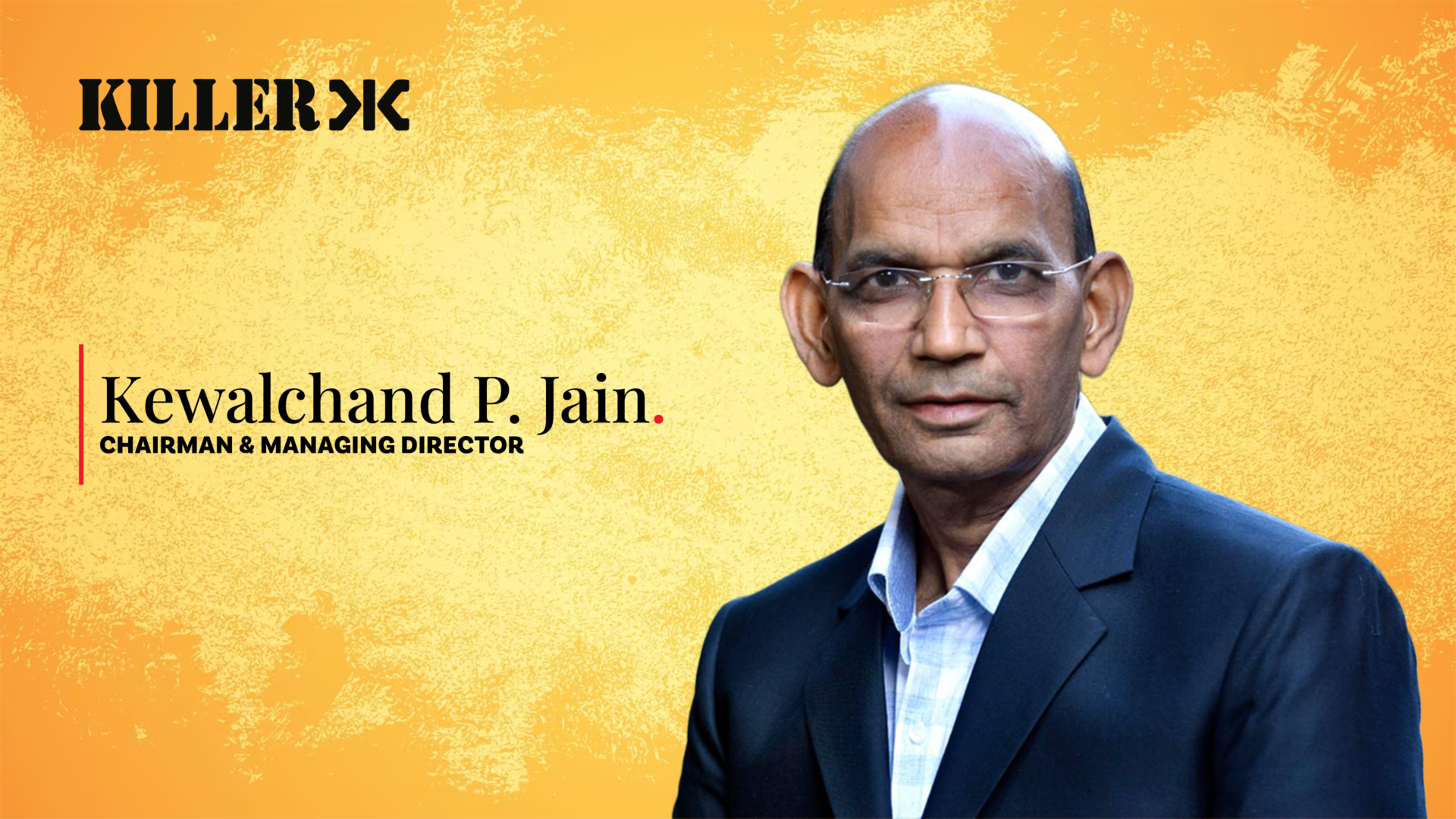
At the centre of this transformation stands Kewalchand Pukhraj Jain, Chairman and Managing Director of Kewal Kiran Clothing Limited, alongside his brothers Hemant, Dinesh, and Vikas Jain. Together, the four brothers transformed a modest garment manufacturing venture into one of India’s most recognisable denim brands, creating Killer Jeans, a label that captured the spirit of Indian youth while redefining the possibilities for homegrown fashion brands.
More than three decades after its launch, Killer Jeans represents far more than a commercial success. It stands as a symbol of entrepreneurial conviction and the belief that Indian craftsmanship could compete with the best in the world.
The Rise of Kewal Kiran Clothing Limited
Kewalchand Pukhraj Jain leads Kewal Kiran Clothing Limited (KKCL), a Mumbai-based apparel company operating in the fashion and lifestyle clothing industry. The company designs, manufactures, and markets garments across India through an extensive retail and distribution network.
The origins of the company trace back to 1980, when Kewalchand Jain and his brother Hemant established a partnership firm called Keval Kiran & Company, initially focusing on garment manufacturing. Nearly a decade later, in 1989, the company launched Killer Jeans, which would become the flagship brand of the organisation.
Over time KKCL expanded its portfolio to include LawmanPg3, Integriti, Easies, Izel, and Iti, enabling the company to cater to different consumer segments while strengthening its presence in India’s evolving fashion market.
The Origin: A Family Business and a Question of Confidence
The roots of Killer lie in the garment markets of Mumbai, where the Jain brothers grew up observing their father’s clothing business. From an early age they were exposed to the discipline and unpredictability of the apparel trade, watching fabrics sourced, garments stitched, and orders negotiated.
These experiences shaped their understanding of business as craft rather than mere commerce.
During the 1980s denim was rapidly emerging as a symbol of youth culture across the world. In India, however, aspirational denim largely came from foreign labels, and many consumers believed international brands represented superior quality.
For the Jain brothers, this perception raised a critical question: why should Indian consumers look abroad for style when the country possessed the capability to produce world-class garments? That question eventually became the foundation of Killer Jeans.
The Beginning of the Journey: From Manufacturing to Brand Building
Kewalchand Jain entered the garment trade at a young age, learning the industry through experience rather than formal education. In 1980, he and his brother Hemant began producing garments through their partnership firm.
At the time, the goal was simply to establish a stable manufacturing business. Yet as the brothers gained deeper industry insight, they recognised that true value lay in building brands that connected emotionally with consumers.
The launch of Killer Jeans in 1989 therefore represented a strategic shift. The brand name itself broke away from traditional Indian apparel branding. It was bold, youthful, and designed to resonate with a generation eager to express individuality.
Building a brand required far greater risk than manufacturing garments, but the Jain brothers believed India’s growing youth population was ready for a confident homegrown denim label.
The Hardest Phase: Establishing a Premium Indian Denim Brand
The early years of Killer were marked by challenges that tested the founders’ resolve. India’s organised retail ecosystem was still developing, and distribution networks were fragmented.
Retailers were cautious about stocking a new domestic denim brand, especially one positioned within the premium segment. Consumers were also accustomed to associating quality with international labels.
Instead of competing through lower prices, the Jain brothers chose a more demanding path. Killer was positioned as a premium denim brand, emphasising quality fabrics, innovative washes, and distinctive styling.
Maintaining these standards while expanding production and distribution required extraordinary discipline, yet it gradually established Killer as a credible alternative to global labels.
The Turning Point: When Killer Became a Youth Icon
A defining turning point arrived when Killer began resonating strongly with young consumers across India. Its rebellious identity and contemporary styling aligned perfectly with the aspirations of a generation experiencing the cultural shifts of a liberalising economy.
Advertising campaigns celebrated confidence and individuality rather than conventional fashion imagery, and Killer quickly evolved into more than a clothing label, it became a cultural symbol.
As Kewalchand Jain reflects, “A brand does not succeed because it is cheaper. It succeeds because people believe in what it represents.”
Lessons from Growth: Structuring the Business
Like many expanding enterprises, Kewal Kiran Clothing faced phases when rapid growth created operational complexity. In the early years the business operated through multiple entities and partnerships.
Recognising the need for stronger structure, the founders consolidated operations into Kewal Kiran Clothing Limited, creating a unified corporate organisation that improved strategic clarity and operational efficiency.
This transition reinforced an important lesson: sustainable growth requires disciplined systems and strong management.
Leadership and Mindset: Principles That Guide the Company
Over time Kewalchand Jain’s leadership evolved from operational management to strategic vision.
Today the company is guided by three core principles: consistency, integrity, and innovation. Consistency builds customer trust, integrity strengthens relationships with partners and employees, and innovation ensures the brand remains relevant in a constantly changing fashion landscape.
Equally important has been the collaborative leadership of the four Jain brothers, whose complementary strengths have allowed the company to maintain stability while continuing to grow.
Impact Beyond Profit: Changing India’s Fashion Narrative
While financial success remains important, the deeper significance of Killer lies in the cultural shift it helped inspire.
During the 1990s and early 2000s, owning a pair of Killer jeans became a symbol of youthful confidence for many Indians. The brand represented individuality, rebellion, and the emerging identity of a generation.
More importantly, Killer challenged the belief that global fashion brands would always dominate the Indian market. By proving that a domestic brand could compete on design, quality, and identity, it helped pave the way for the rise of other Indian fashion labels.
The Person Behind the Founder
Despite leading a nationally recognised apparel company, Kewalchand Jain remains grounded in the values that shaped his upbringing. Discipline, humility, and respect for craftsmanship continue to guide his approach to business.
For Jain, success has never been defined solely by financial scale but by the ability to build something meaningful with integrity.
A Legacy of Belief
Today Kewal Kiran Clothing Limited continues to expand across India while exploring opportunities in global markets. The company is investing in digital retail, product innovation, and evolving fashion categories to remain relevant to future consumers.
As Jain reflects, “Entrepreneurship is not about chasing trends. It is about building something that remains relevant long after the trend disappears.”
More than three decades after its launch, Killer Jeans remains a symbol of belief, belief in Indian craftsmanship, authentic brand building, and the power of entrepreneurial conviction.